AI can write your copy. But it can’t feel your brand.
We’re drowning in machine-generated content. It’s faster and cheaper than ever, but algorithms optimise for clicks, not connection. That’s why archetypes still matter: they’re the timeless patterns people intuitively recognise, before we ever “think” about them.
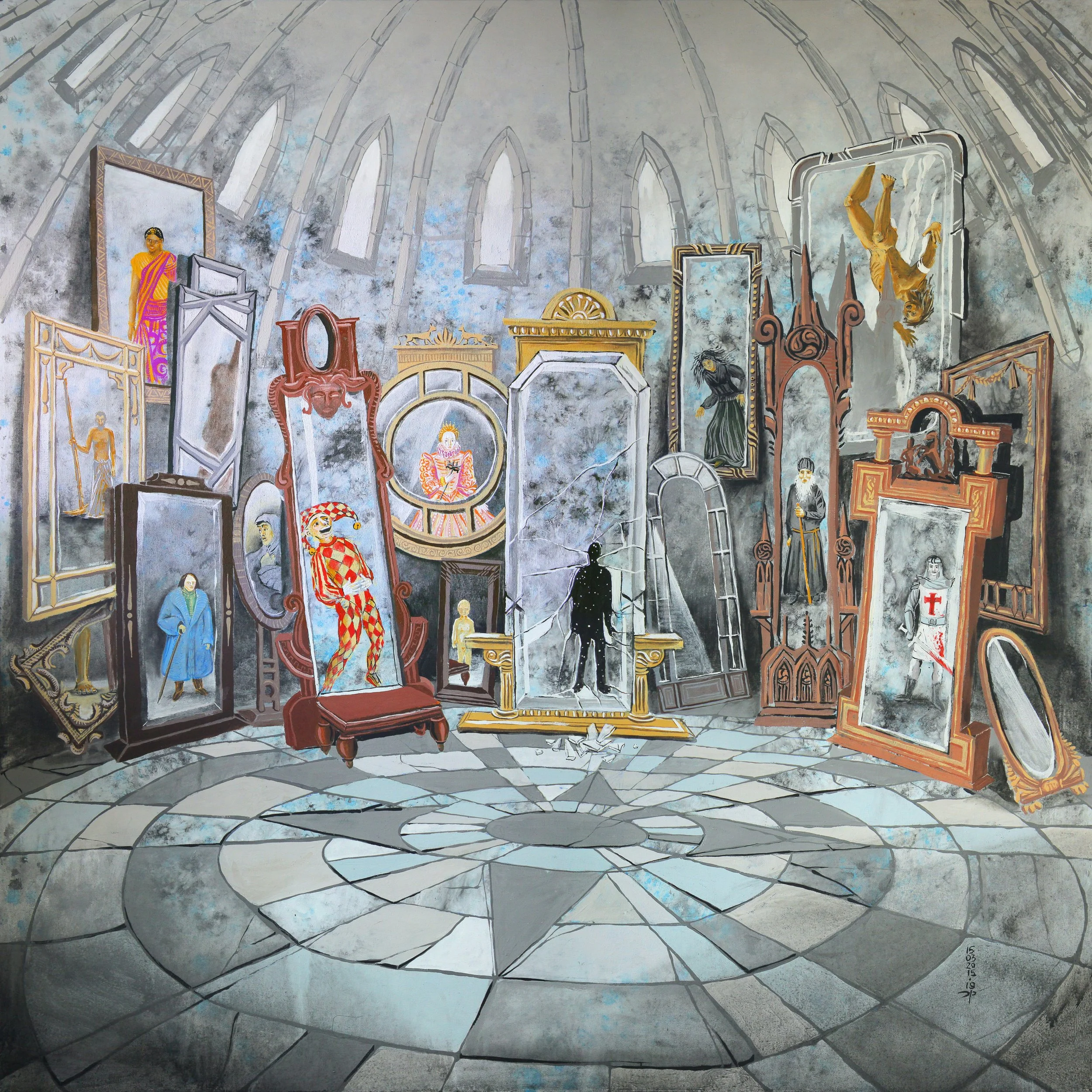
Jung called them shared, universal images in the collective unconscious - the hero, the caregiver, the rebel - that shape how we make sense of the world.
We’re storytelling animals (long before PowerPoint)
Before writing, humans used oral tradition to transmit knowledge, identity, and norms — stories were the original operating system. That wasn’t a hobby; it was how culture survived across generations.
Turns out, just like hardwired biology, those innate human instincts didn’t vanish with the Enlightenment or the printing press.
Today we still spend vast amounts of our leisure immersed in story — bingeing TV, streaming films, reading novels, scrolling serialised content, playing narrative-driven games. The formats change, but the pull is the same: our brains are wired to follow characters, resolve tension, and make sense of the world through plot.
Why this matters for brands
A brand, at its best, is more than a logo or product. It’s a persona — a character in the story your audience tells themselves about the world.
The primary job of good branding is simple:
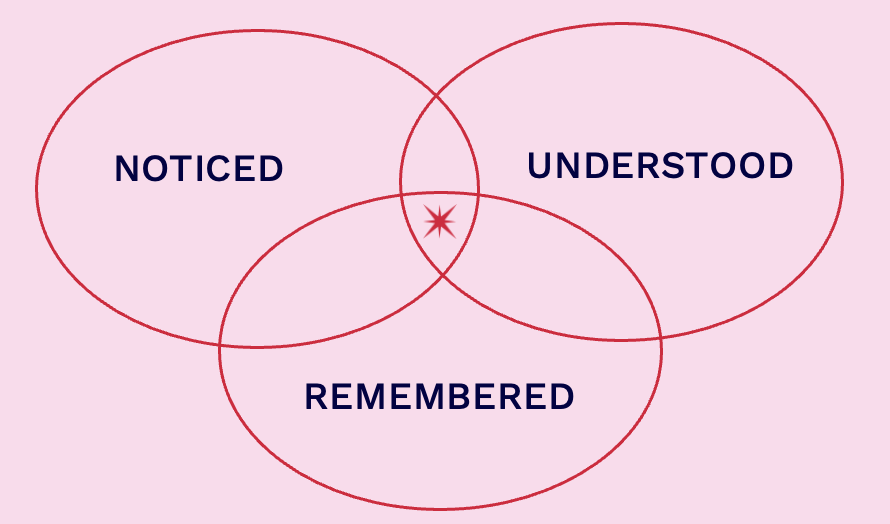
The primary job of good branding is simple:
Get Noticed
Be understood
Be remembered
Great storytelling ticks all three. And archetypes give that persona recognisable traits, values, and motivations that make stories easier to tell — and easier to recall.
Because archetypes are baked into human psychology, they shortcut the heavy lifting: people “get” who you are faster, remember you longer, and can predict (and trust) how you’ll act.
What stories do to the brain (and why it helps brands)
Neural coupling: When someone tells a coherent story and you’re engaged, the listener’s brain activity synchronises with the speaker’s — the tighter the sync, the better the understanding.
Chemistry that moves people: Emotionally structured narratives can trigger oxytocin, increasing empathy and pro-social behaviour.
Memory advantage: Our brains automatically segment stories into meaningful “events,” which boosts recall even weeks later.
When your brand behaves like a consistent character in an unfolding story, those same neural and emotional advantages kick in.
Why archetypes are a cheat code (especially with AI)
AI can churn out endless words and images — but without a clear brand persona, it all sounds the same. Archetypes:
Anchor the creative — making sure every output “feels” like you.
Speed up decisions — teams know what’s on-brand without endless debate.
Scale meaning — you can brief multiple creators or AI tools and still get coherence.
How to put this to work next week
Choose 1–2 dominant archetypes and codify them into voice, tone, and imagery rules.
Brief your AI tools with those guardrails.
Build repeatable “story beats”: origin, quest, proof, and impact.
Measure for memory and meaning, not just clicks.
Bottom line: Tech evolves at breakneck speed. Human nature evolves too — but at a glacial pace. The instincts that made us gather around the fire for stories are still here, shaping how we notice, understand, and remember brands today.